
Deep End
Counting down the days of chemo—fragments of survival and the ripples that carried me into the next life.

In the pool, we look like a band of misfit women. Knee replacement scars ripple underwater. Diabetic women in spandex swimsuits make waves. And me, a 21 year old girl struggles to lift herself onto her toes.
At the start of each new movement we are required to count up to 12, although our leader, Mary Alice, insists I do “what feels right”. I don’t tell her that in this body, nothing has felt “right” in a while. I just move. I just count.
***
For months my pain went unnoticed. My first doctor, an older man, spoke with grave certainty when he told me the sharp shooting pains along my pelvis, was psychological. The same pain that kept me up at night and in fetal position during the day.
The second doctor, now a woman, told me it was bad period cramps. She wrote me a prescription for birth control and sent me hunched and hobbling out yet another doctor's office.
I lost blood until I lost vision. I bled through my pants on the Metro visiting my boyfriend and his family for the first time. I watched Fleabag and cried under heating pads.
For the next month, a tumor 5 centimeters large grew in my uterus.
***

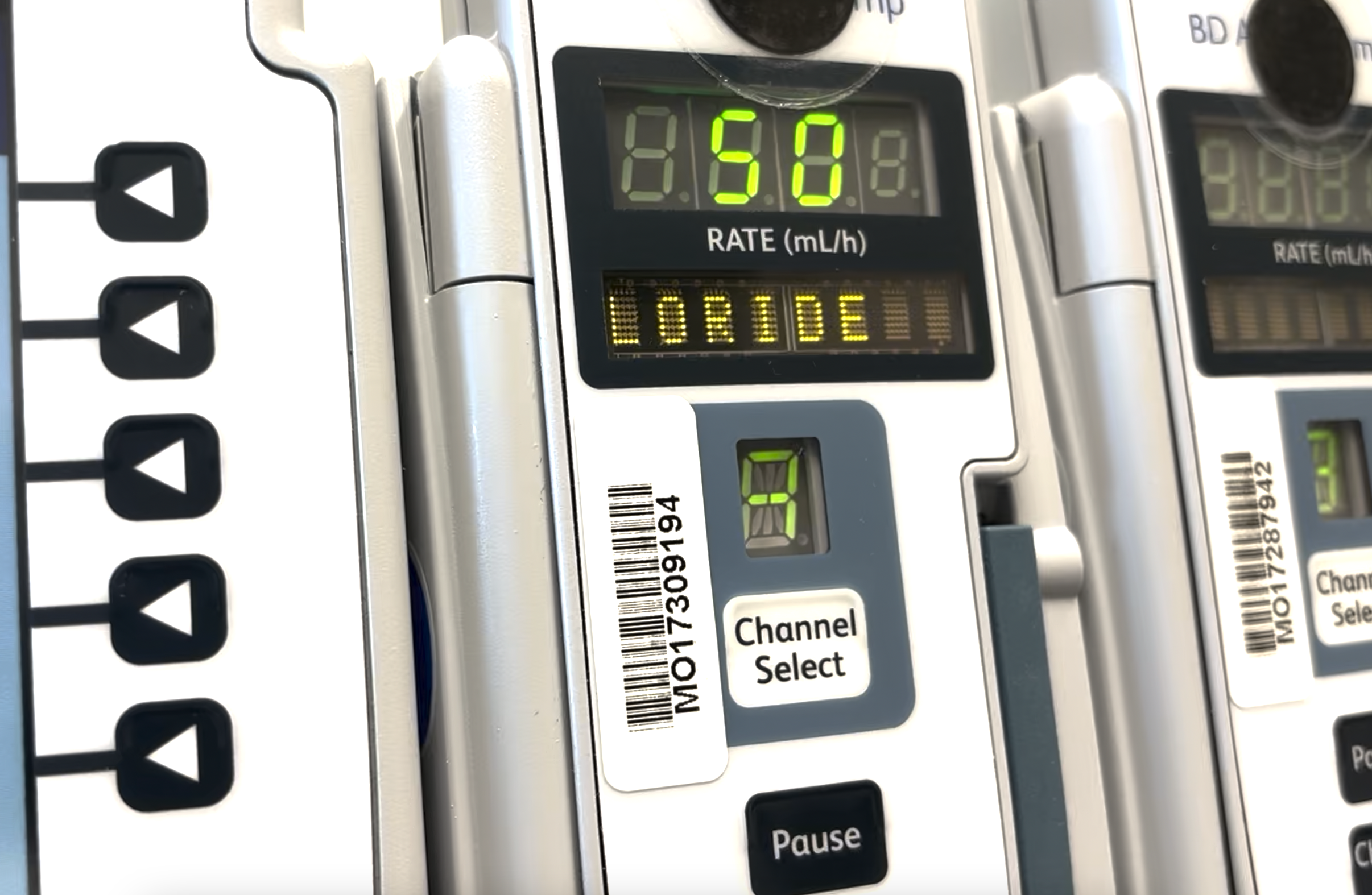

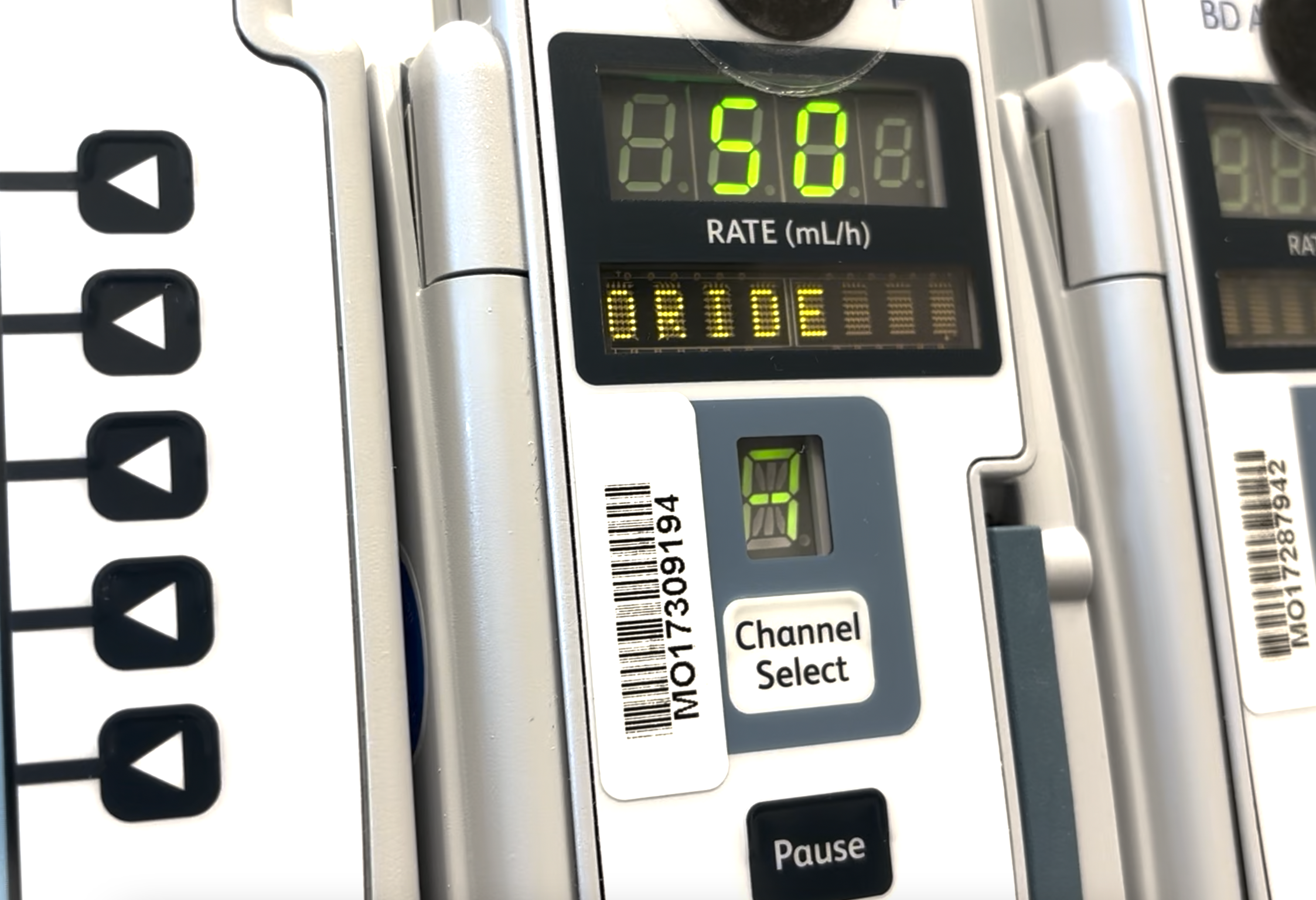

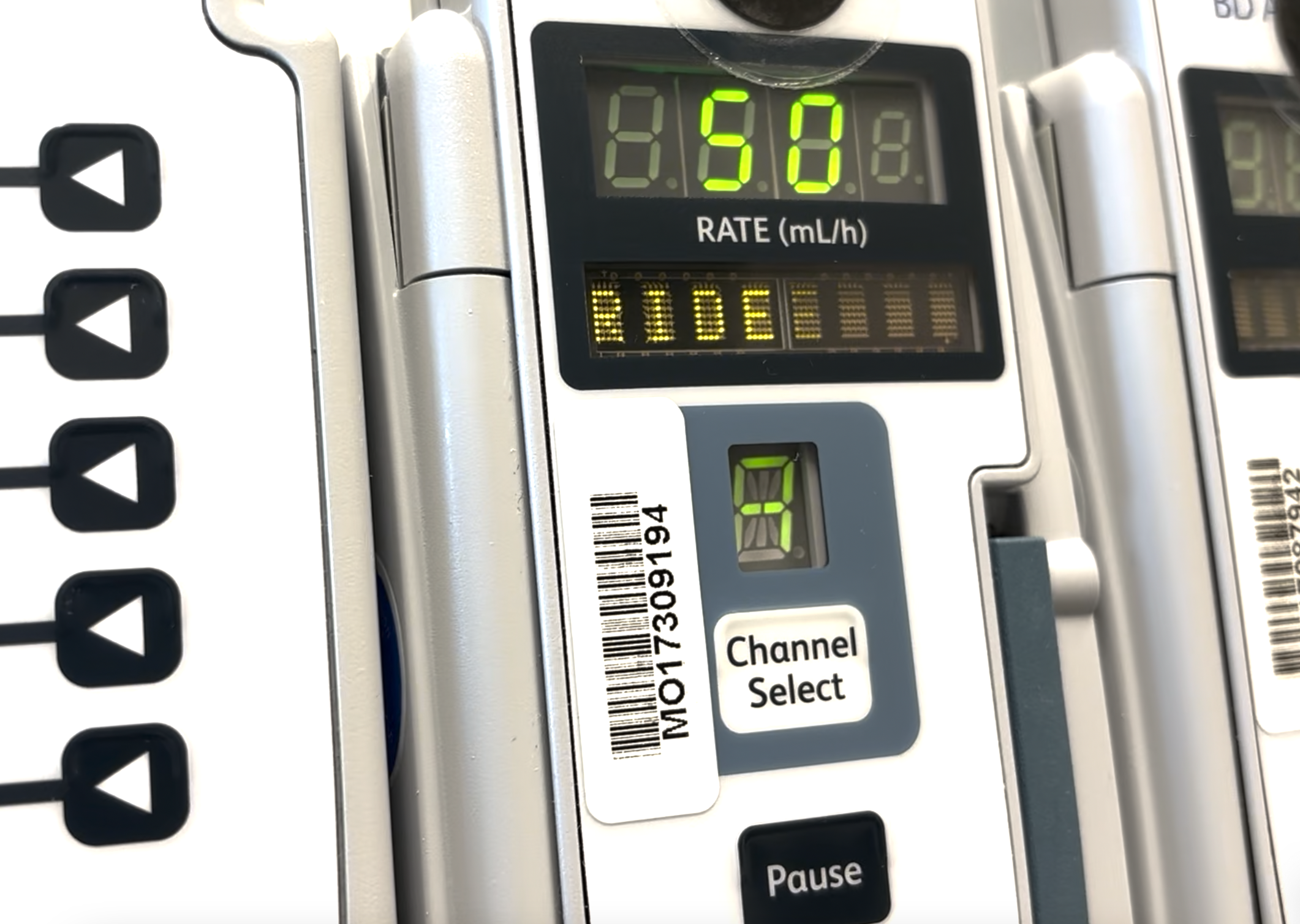

Period pains, sore boobs, labor. Fleabag sits at a bar and listens as an older woman makes a list of ways the female body is infiltrated by pain. “I’ve been longing to say this out load,” the woman says, “Women are born with pain-built in”.
***
There is air trapped in my body. It is clumping in bubbles around organs shuffling to their new place, now that my uterus has been removed. I am instructed that walking will relieve the seeing-stars degree of pain from caused by this air. I keep count. Laps around the living room couch: 6.
***
I prop the camera up and tilt my chin toward my chest, assuming any kind of remotely attractive selfie posture. The hair near my ears has fallen out completely and thin clumps sit on top of my head. I attach the picture to a text, typing out: Mohawk pic before bed (just so you can prepare yourself for my bald gf arc)
AWW SHES BEAUTIFUL, my boyfriend types back. I smile at the screen.
But before I go to bed, I secure the handkerchief back to my head tightly. Tight enough for the knot to dig into the back of my neck.
***
The nurse finishes “accessing” me, the phrase they use for tapping into my chest port and connecting an IV for chemotherapy infusion. An infusion tube still hangs from my chest as she hands me a urine sample cup. It isn't until much later, while checking my online health portal, that I saw they were conducting regular pregnancy tests. Despite the impossibility. Despite the fact that those same doctors had ordered me to be cut open and have my uterus pulled out of my body.
***
“Dont cry,” the pre-op nurse laughs. “You think this is bad? Don't have children, they’ll poke you a million more times than this.”
With the IV stuck in the delicate crook of my elbow, tears spill down my face. I want her to feel bad for saying this to me. I want to cause her some discomfort too. “Actually I'm here because I am having a hysterectomy next week.”
“Oh, that's so sad. You don't want kids?”
***
“Access me”. What a funny phrase. If I didn't have this metal port protruding from my chest, it would be hard to reach what I keep hidden underneath my skin. My heart is scarring over. My mouth too.
***
As women, is it really our “physical destiny” to experience pain?
I explain to my father how the myth of a female’s pain tolerance being higher than a man’s is an excuse to dismiss our lived experience. But how do I reason that explaining myself hurts and yet I’ve survived doing it for years?
***
Back at home and recovering from surgery, I have no one to talk to. I think of Phoebe Waller Bridge, the writer of Fleabag and why she started writing the script, “I was feeling quite cynical, when I was standing on the precipice of being too cynical or becoming a little bit depressed about the pressures of society, and starting to wake up to the reality of the pressures that women are under…”
So I started making my own episodes.
***
I never intended to look back on these video diaries. After returning to school from my medical leave, I couldn't help but wade through the footage. Who was that girl and where is she now? Watch below.
The machine beside me screams, finished with its 8 hour infusion. Not an inch of skin is exposed on the nurses that flitter around the room. The tubes siphoning auburn liquid are toxic to the touch. They are plugged directly into my veins. When I get home I will wash the sticky medical tape from my arms, turn on the camera. And to have some kind of proof of where I’ve come, I start talking.
***
In one video, I am spitting out hair from my mouth, pulling it out of my eyelashes. “It's like the second I touch it,” I say to the camera, “they jump ship.”
In the next video, I am laughing at the absurdity of my situation, full gut punching laughter. I am describing my last visit with my oncologist, top in sarcoma research at Duke University. “Think of your body,” she said earnestly, “like a pool a kid pooped in. We don't just scoop out the poop. We need to flush the water.”
***

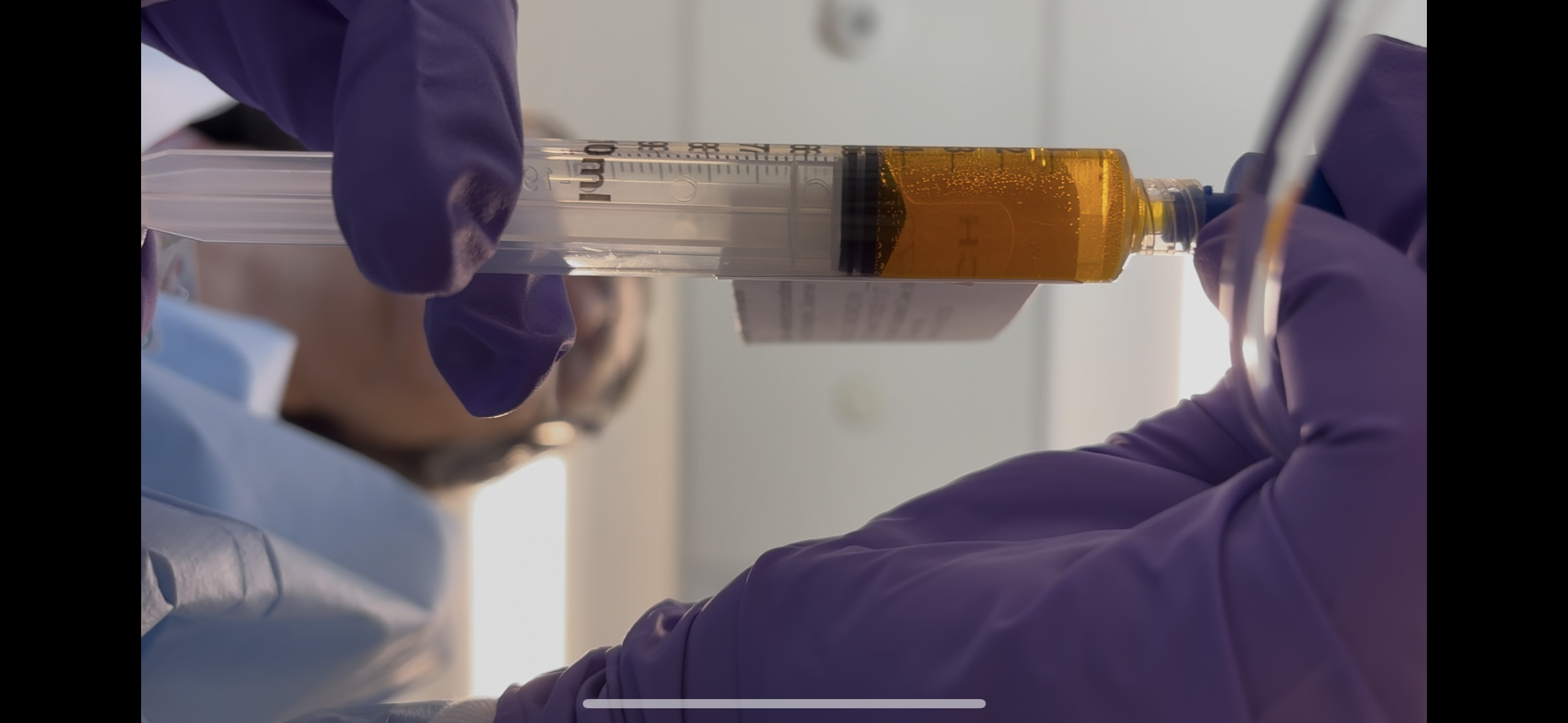
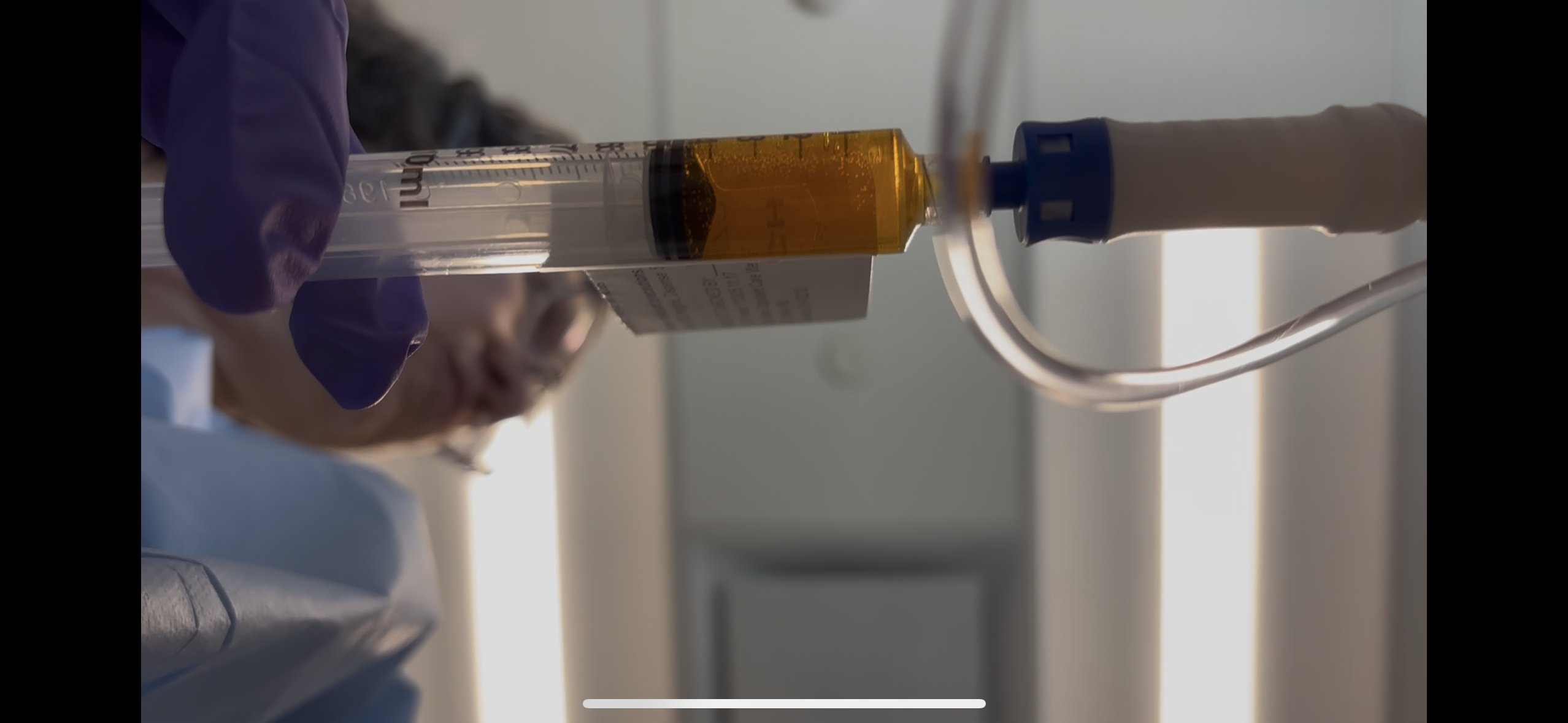


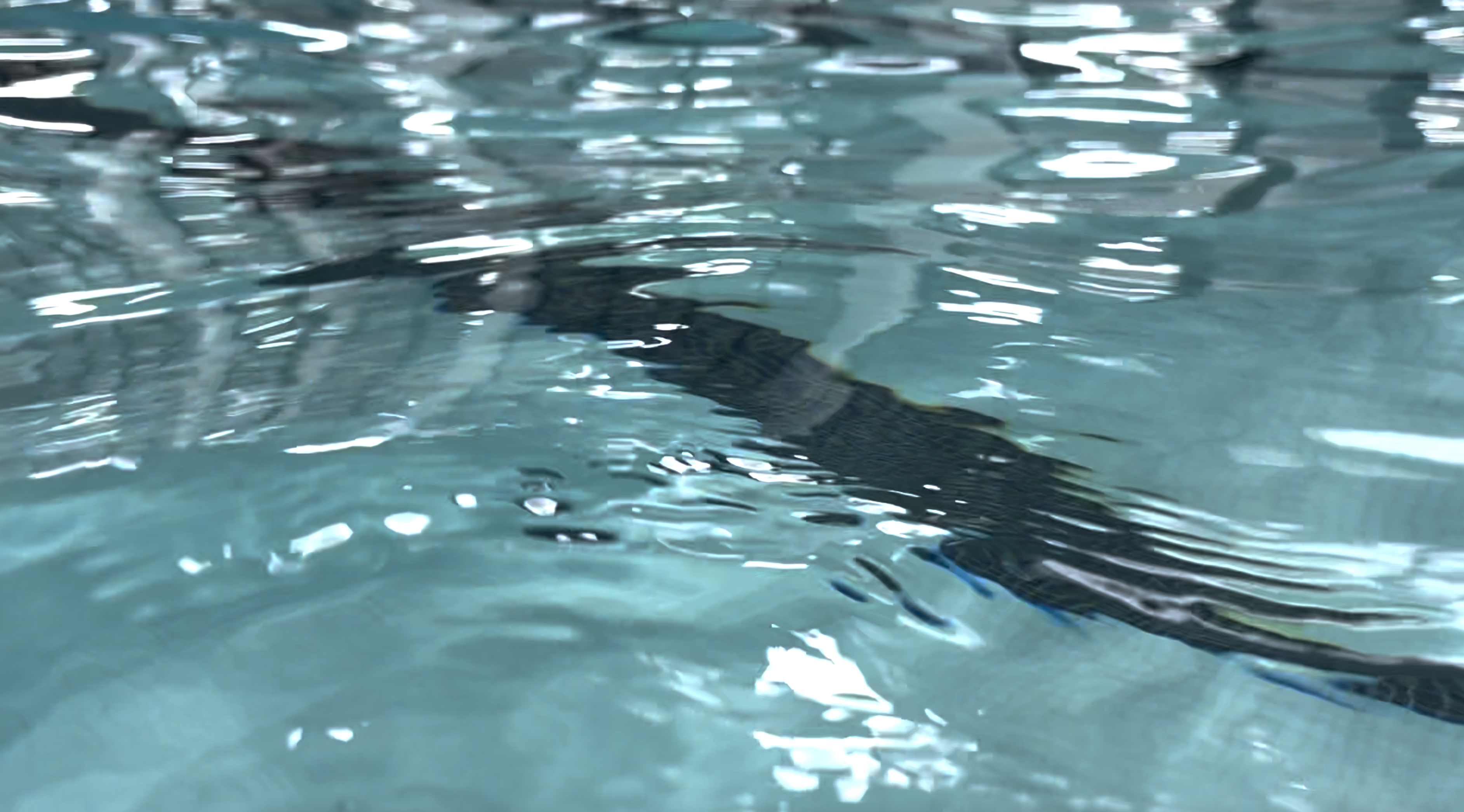

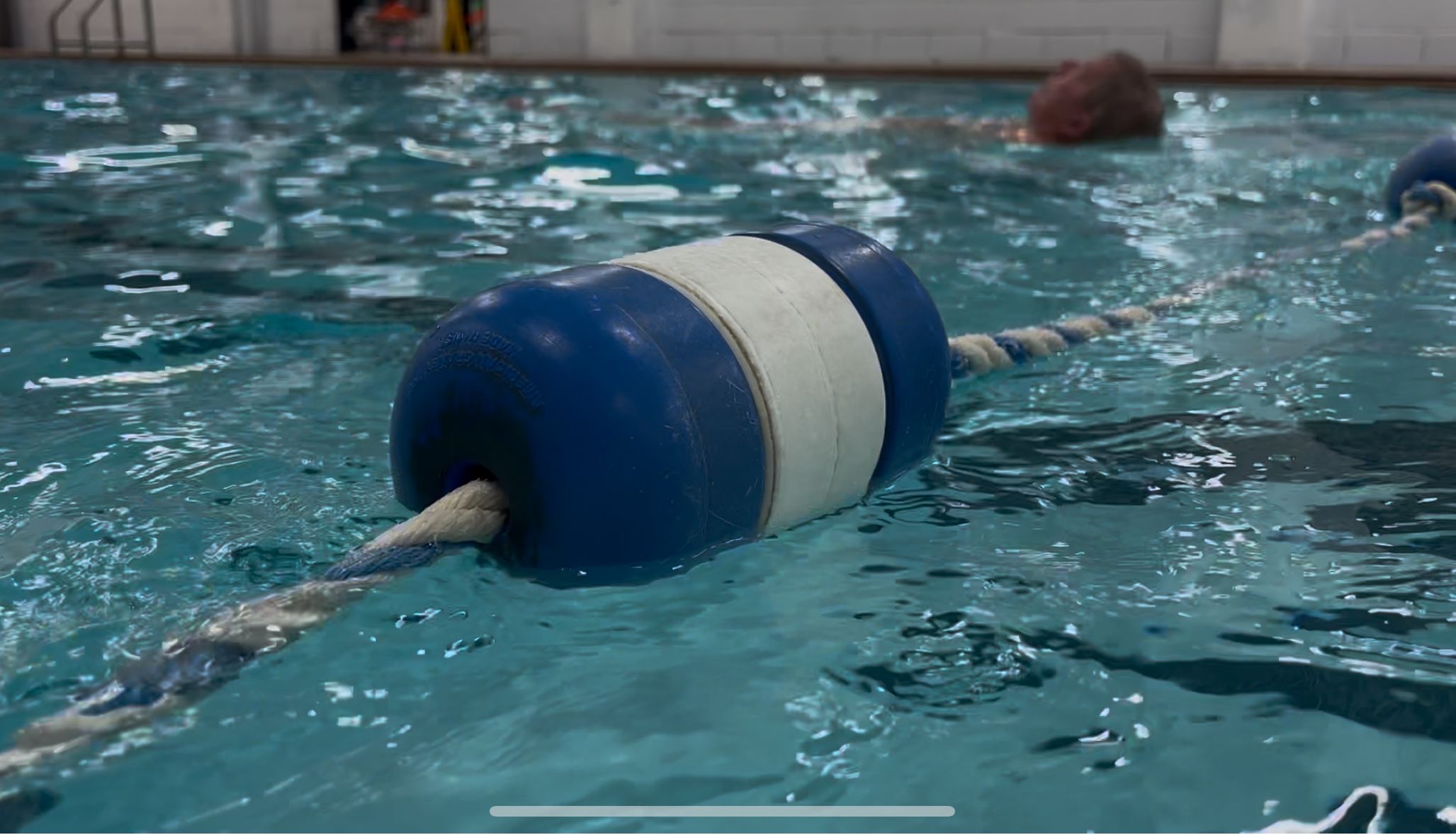
6 months, 3 weeks and 5 days of counting down.
***
I grew up going to The Y with my mother, watching her follow along to water aerobics routines in order to soothe her arthritic joints. Now that my chemotherapy is coming to an end, the doctors suggest I do something to build back my strength. I open a browser tab and open an application for my local YMCA membership subscription.
***
I know staring is wrong. I was taught this as a child but I relearn it when strangers fix their eyes to me, perhaps a tilted eyebrow of confusion, or at times worse, a pitying smile. Everything about their stare feels wrong.
But still it seems I have not learned the lesson enough. In the pool, I search all the women for that spot beneath collarbone, where I desperately want to see a pinkish jagged line, a port placement surgery scar like mine.
I think if I find an old lady with the life long indication of once having her body invaded, I will believe that the days really do go on. That one day, I will have silver hair and my biggest pain will be regular bone aches. I will be far from the scalpels and needles and loud machines. That if I find their pinkish scar, I can learn to love my own.
***
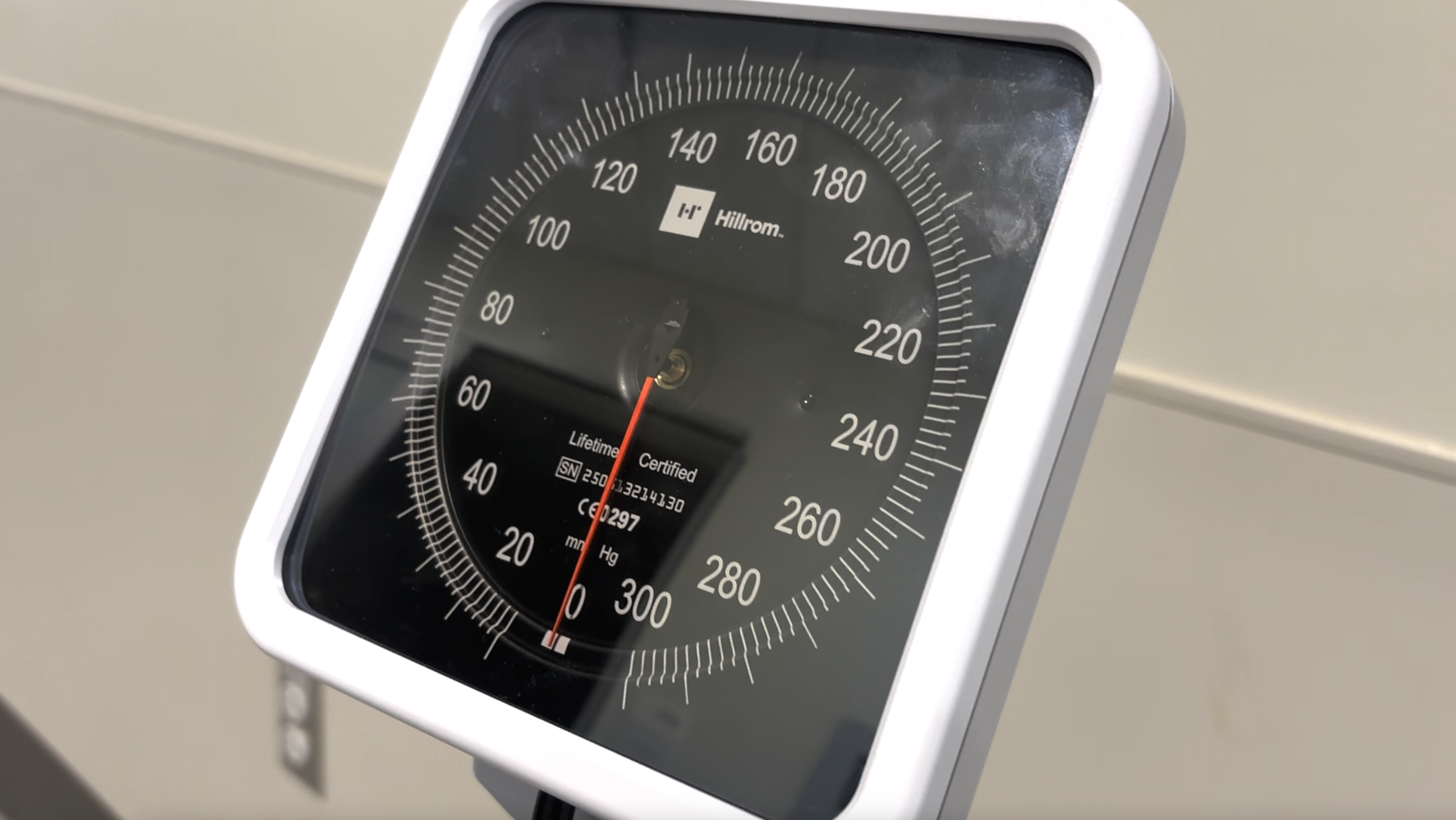
Counting to 12 while lifting the wet styrofoam weights above my head, I think of the other places I've seen climbing numbers. The seconds working up on my video diaries. Pain scales with smiley faces stuck up on the wall of my doctor’s office. Pain scales are a numerical scale typically ranging from 0 to 10 used by doctors to gauge the severity of a patient’s pain. However, doctors use the numerical scale not solely to hear the patient express their pain but to decide if they believe them or not. Failing to indicate a number high enough on the scale may lead to less treatment or disbelief entirely.
***
At 21 years old, my body was deteriorating. Navigating new scars, limited mobility, and feelings of insecurities was becoming my new normal. Brenda, a member of the Newark YMCA's rehabilitative water aerobics program, could relate.
***
Each step with my cane, my feet now numb due to peripheral neuropathy. Each chemo infusion bag. Each word typed in emails to my professors letting them know I am too sick to attend class. Chemotherapy has crushed my body in many ways. But as I watch the recording time elapse on my videos, I feel empowered by each second. Almost done.
***
In the pool, when a woman stumbles or can’t reach the complete 12 in a set, there are no follow up questions. No recalculating. No doctor in blue gloves tapping on a scale saying, “Tell me, when you lift the weights in the air, on this scale how much does it hurt?”
I think of my first doctor. My second doctor. The pre-op nurses. Myself. How long have I been trying to convince others my pain was real?
***

What strength could I have built if I just let myself talk, free from the desire to be believed?
***
All the women I meet have “something wrong with them” according to Brenda, the woman I hide behind in the water on days Mary Alice feels feisty. “Each of us brings a different set of challenges but nonetheless I hope you and everyone else can see the joy among the women.”
There is no pressure to prove what you are feeling. There is no imposed political scale to determine our worth. Some of the women are mothers, others are not. Some of us have endured great trauma and the pool is where we work to decenter it from our bodies.
Some of us are counting up towards the end of the work out and others count down from the day we were brave enough to leave behind what held us down.
***
In water you are weightless
physically and spiritually.
I didn’t know
I was looking
for a way to lighten
what I was carrying
until I stepped
into the water,
and into
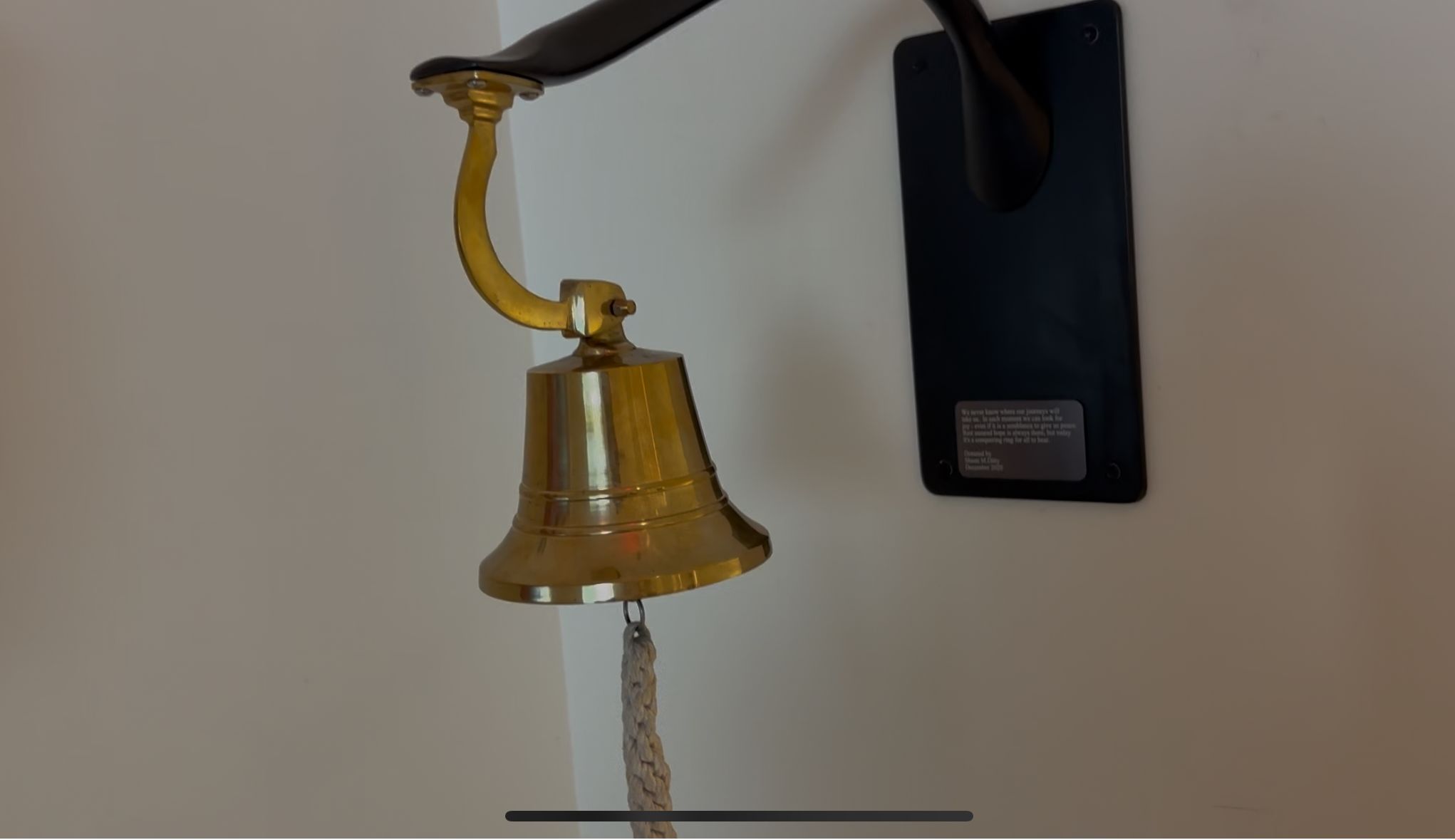
my new life.

 Built with Shorthand