
Hunger in Our Backyard
Three stories of the people combating food insecurity in Licking County
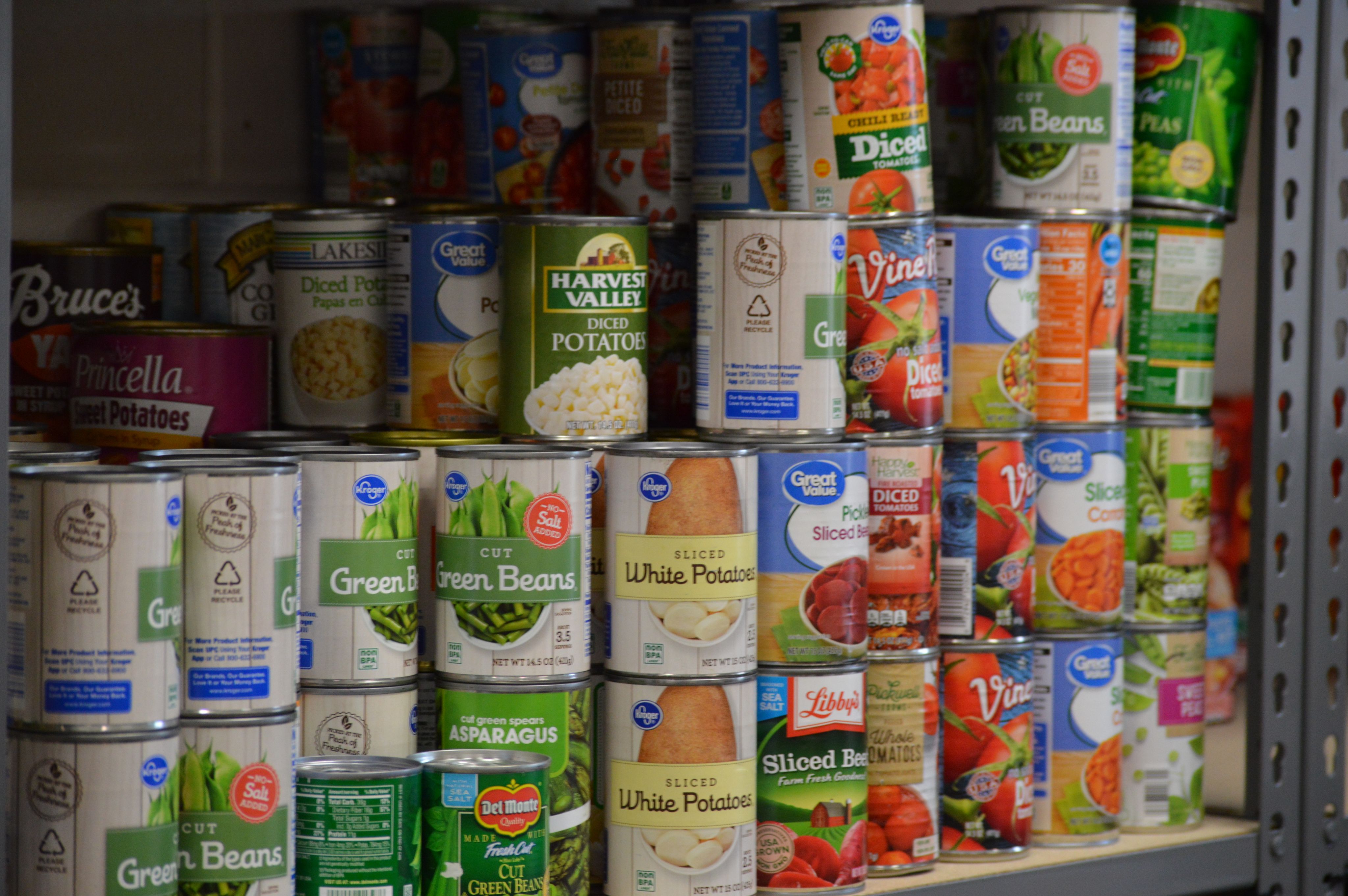

Vanessa Cross, executive director of Together We Grow, talks about how community gardens combat food insecurity.

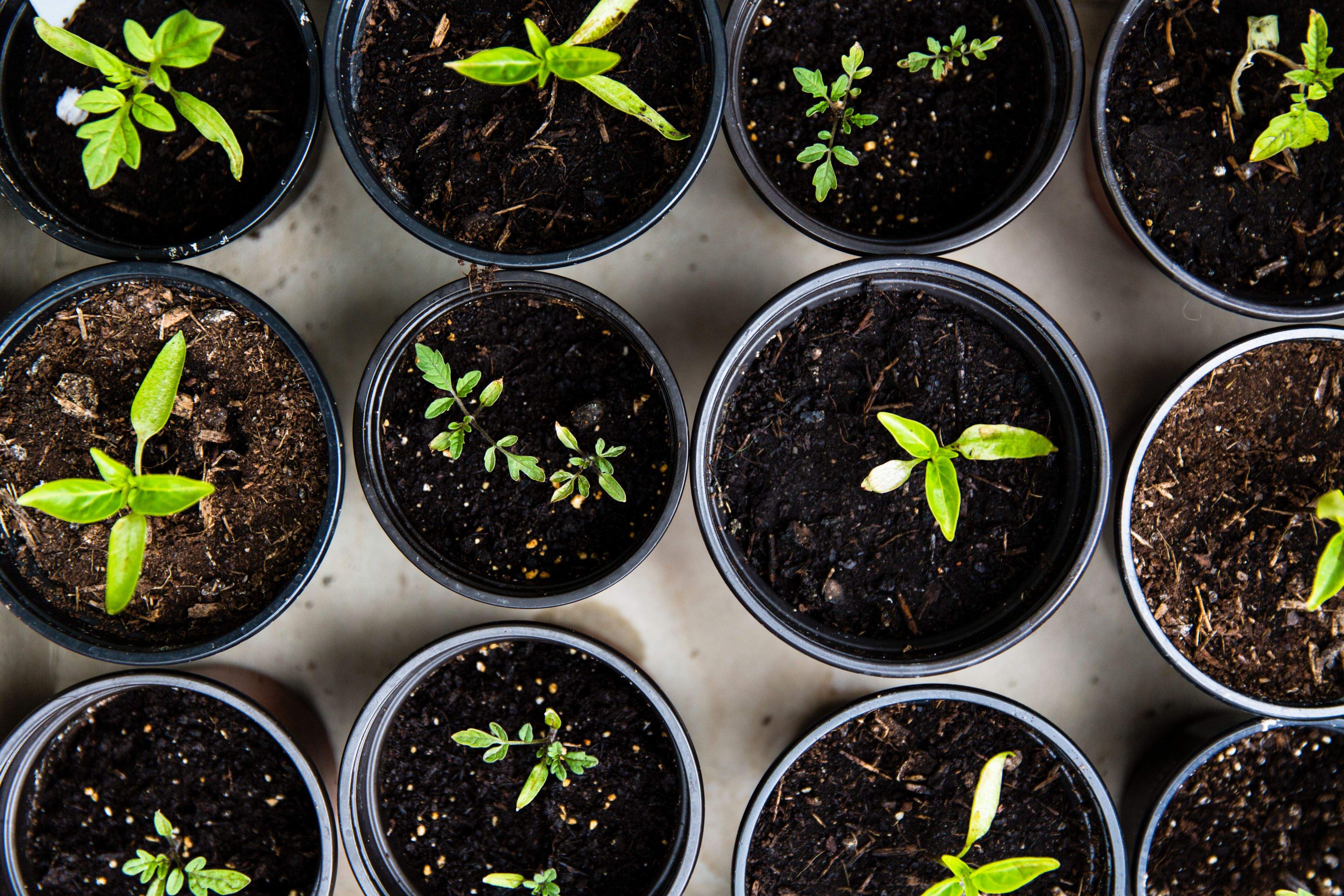
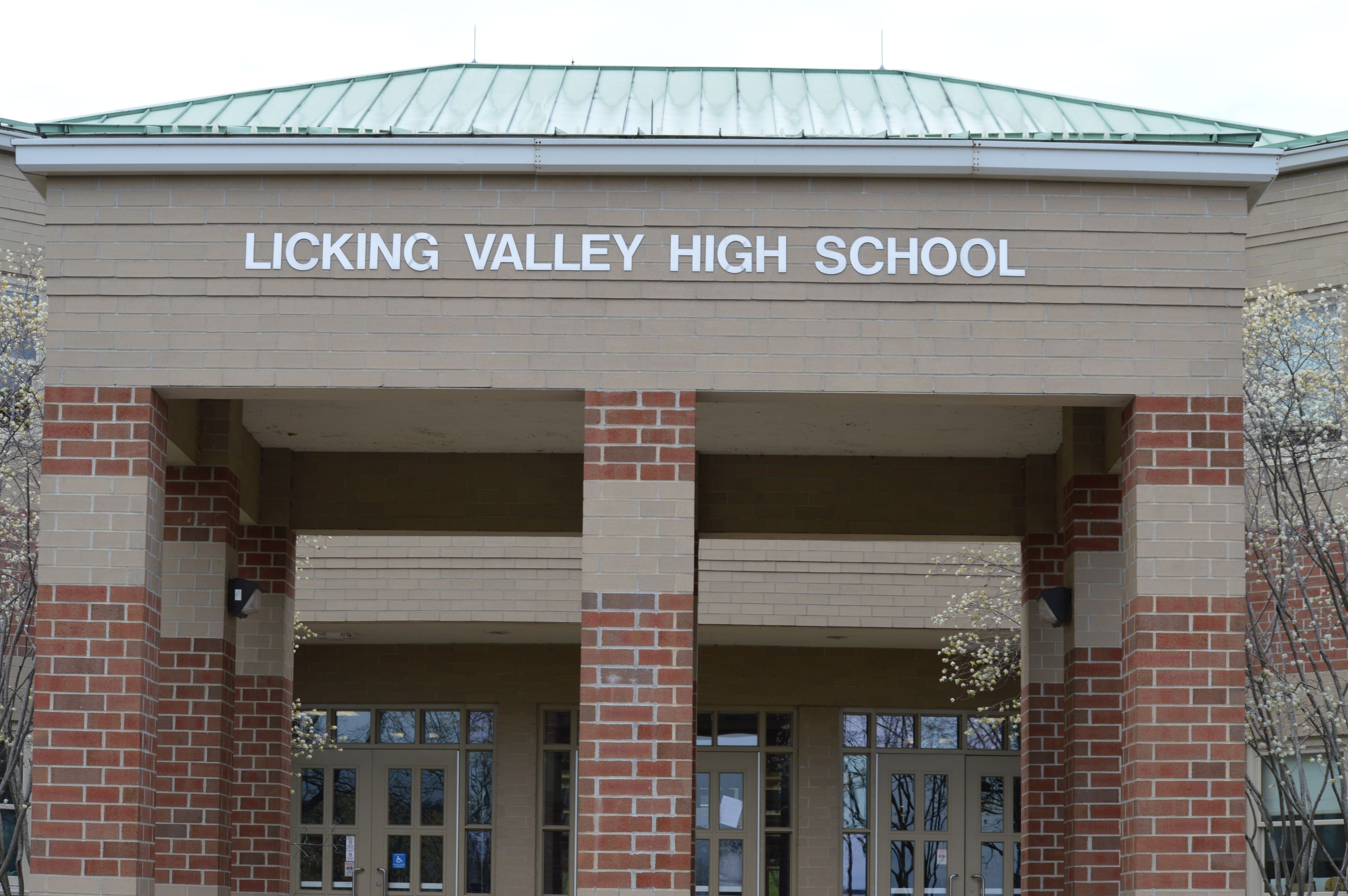
“Hi Mrs. Lichtenauer,” Students call as guidance counselor Courtney Lichtenauer walks through the halls of Licking Valley High School. Students flood the halls, moving between classes, trying to make it from one place to the next. Hidden among the classrooms stands a room that looks like every other room in the hallway. Tucked between the school's dark blue lockers, the Panther Pantry’s floor-to-ceiling shelves have a depleting stock of cans. Taking a single glance at the room, you wouldn't realize that these cans ensure that the 26 families are getting fed.
“If you look in our fridge, you can tell we are getting ready for Easter,” says Courtney, opening the pantry’s white fridge to show 26 hams and 26 boxes of pancake mix. Courtney Lichtenauer is the guidance counselor who started the pantry. They secured this fridge through a grant several years ago. Like almost everything in the room, it has been donated or purchased with grant money. “We mostly use the fridge around holidays,” Courtney says. At Thanksgiving, it is filled with turkey and pumpkin pie. When the pantry is running low on money or donations, the fridge is filled with farm-raised eggs and leftover deer meat, donated by community members.
“It is very much a community effort,” Courtney tells me. She started the pantry 10 years ago when she noticed the backpacks of food being sent home with students were not enough.
“Each backpack only had two cans of spaghettios, a tiny applesauce, two granola bars, and sunflower seeds.” These backpacks would be sent home on the weekends for the students who relied on school-provided meals.
“I’m not trying to put any shade on that program, but it's only for that kid for that weekend. It’s not for their family, not for their siblings, only that kid.” So Courtney tried to fix the program by sending home more cans of food, enough to feed a whole family for a weekend.
“We weren’t getting a lot of the backpacks back, and the kids didn’t like having to take two backpacks home. Especially if one of them is full of heavy cans they have to take on the bus home.” This is where the pantry started.

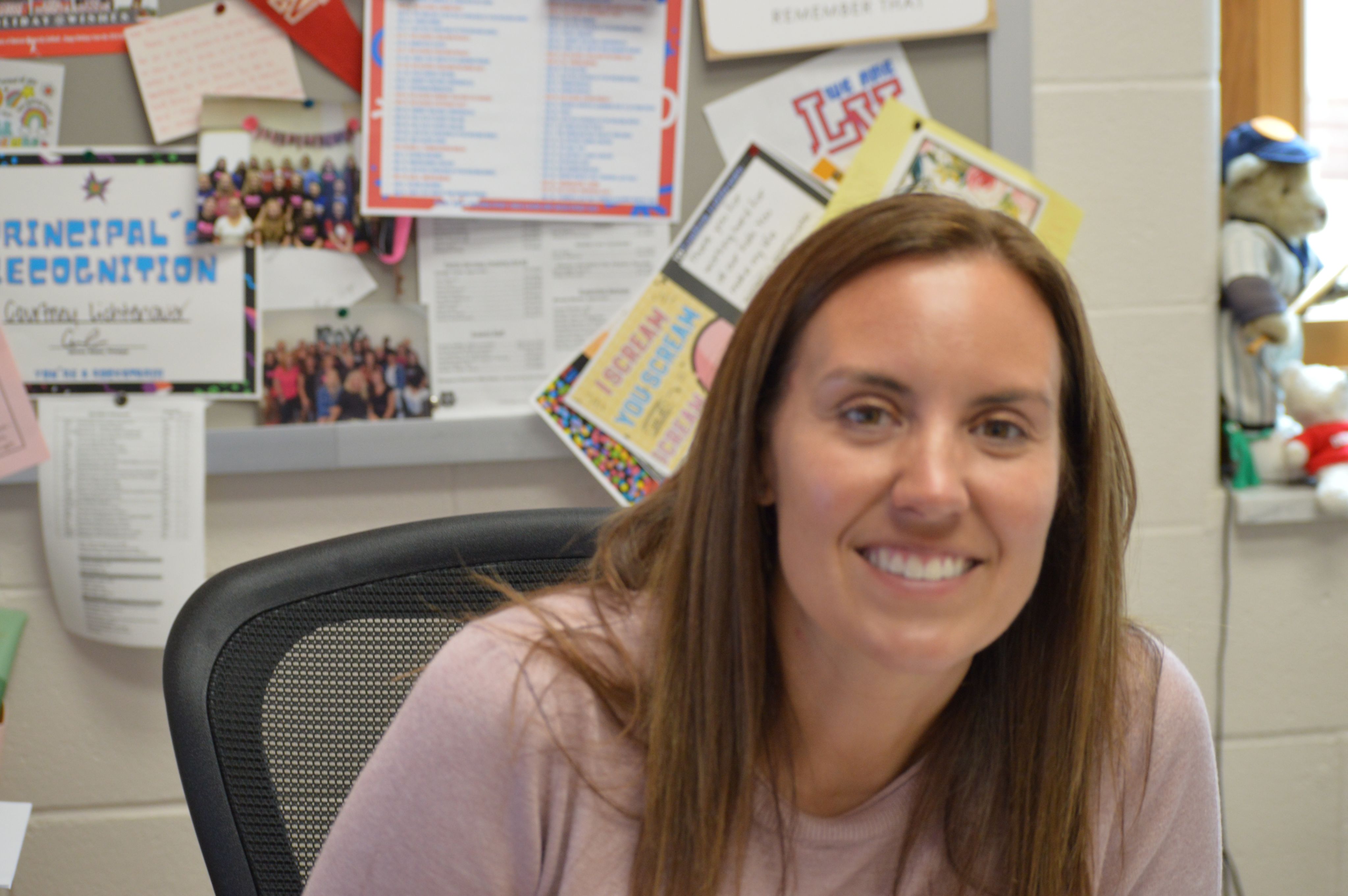
“The original room was upstairs, but the elevator was such a hassle they moved us downstairs. People came up to that window to get their food.” Courtney says pointing at the one window that looks out over the parking lot. Each family gets one box of food they pick up every Thursday.
“We try to give them everything they would need to make whatever is in the boxes. So if there is cornbread that needs eggs we make sure we have eggs.” While some of the food gets donated, Courtney does a lot of the shopping by herself. Sometimes if she is lucky she’ll get her kids or one of the sports teams to join her on her trips to Sam’s Club.
“Sometimes we get to use the athletics department truck and load the food in there, which is a lot easier than fitting it all in my car. I mean I can easily spend 4000 dollars just getting food for the pantry.” The pantry is also stocked with deodorant, lotion, and assorted hygiene products.
“We have a parent who works at the Bath Body Works warehouse so that is a huge benefit to us.” The pantry is open to students during school hours to come in and grab whatever they need, or use the pantry's utilities like the washer and dryer. “We keep a pretty big stock of snacks for the students to come grab during the day but they usually fly through them.”

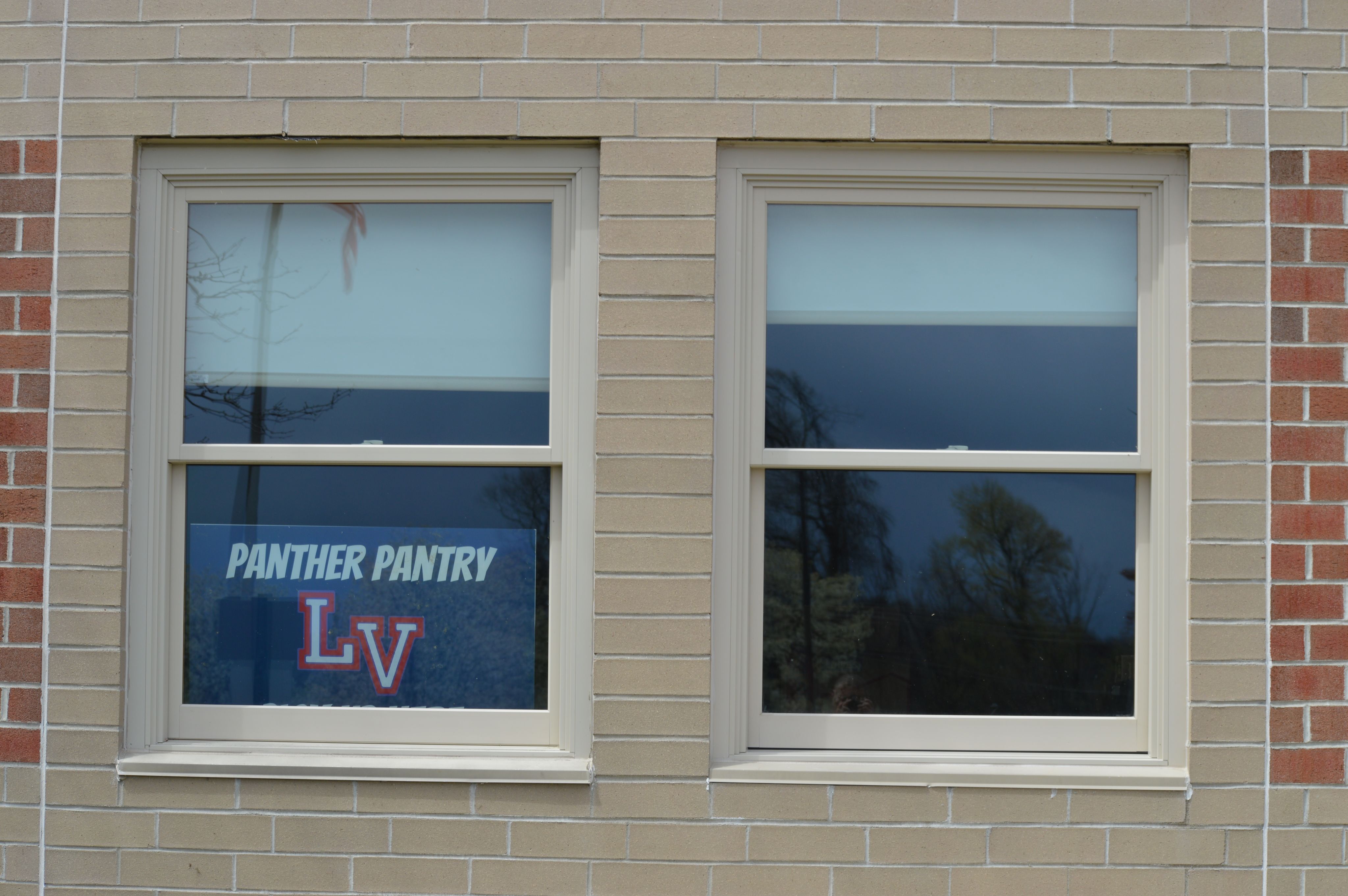
In a study done by Johns Hopkins, they found that a lot of government assistance programs don’t account for hungry teenagers and their increased calorie intake. They also found that food insecurity is an incredibly risky issue for teenagers because this is such a critical time for development. According to their research, teenagers who suffer from food insecurity can also suffer from obesity, cognitive difficulties, and diabetes. Having this pantry so easily accessible to students, especially high school students is an incredibly necessary resource.
“Many of our students do live in food deserts,” Courtney explains. She stares out the window into the many fields that surround the high school. “I mean I'm pretty sure the closest grocery store for many families is the Dollar General up the road. But, that's not real food.”
According to a study done in 2022 by professors at UCLA, the increase in chain dollar stores like Dollar General are leading to the closing of more grocery stores. This leads to a decrease of fresh and healthy food options. Courtney is trying to combat this through the school's new partnership with Together We Grow to bring a community garden to the school this summer.
“I definitely think about the future,” Courtney says looking at the half-empty shelves. “I know as the cost of groceries goes up for everybody less people will be able to donate food. We won’t be able to buy as much food. Even now all the food on these shelves will be gone by the time we pack this week's boxes.” She sighs and takes a long pause, “But we will figure it out because there are people who need this pantry and this community will support it.
The Canal Market District brings local vendors together to bring fresh products to Newark. One of the many ways the city is working to combat food insecurity. This is what an average Friday looks like.


 Built with Shorthand